-1760817828046.jpg&w=2048&q=75)
-1760817828046.jpg&w=2048&q=75)
-1760817828046.jpg&w=2048&q=75)
Please wait while we prepare your content.
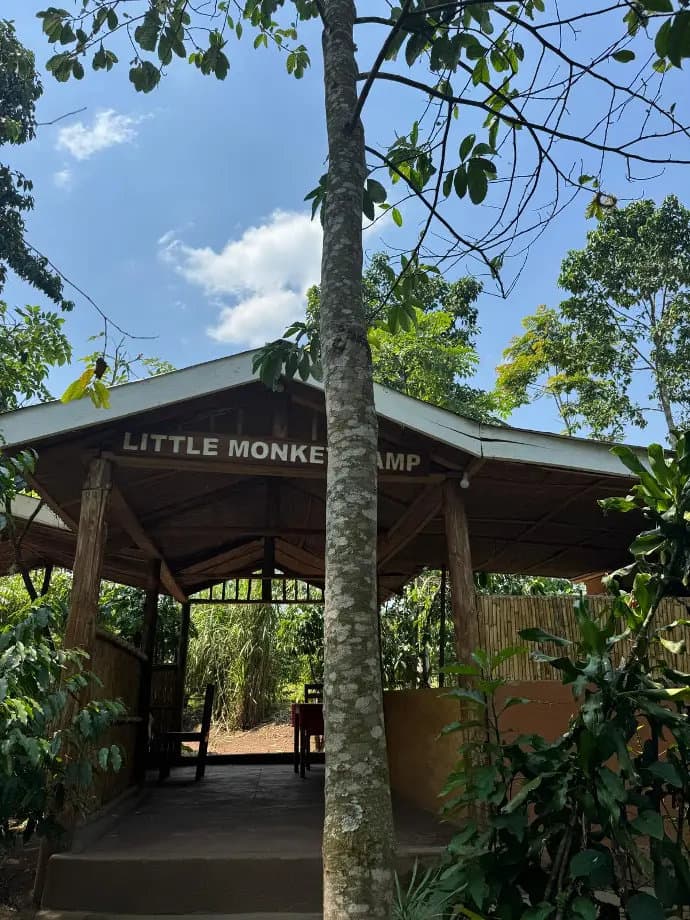
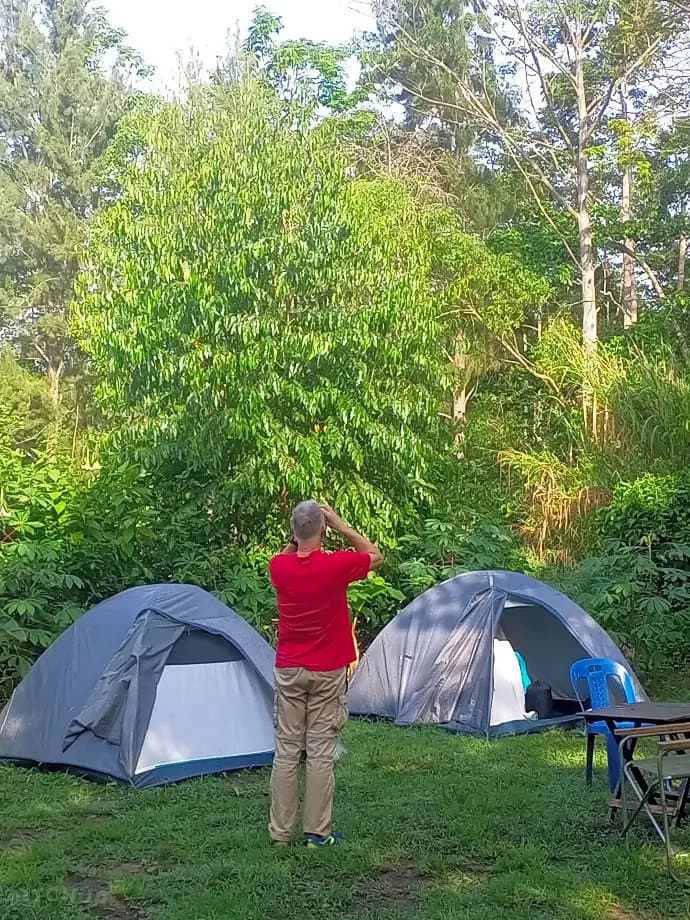
Little Monkey Camp, situated on the scenic edge of Kibale National Park, is known for offering a modest, comfortable, and charming stay with an adventurous vibe. True to its name, guests frequently spot primates like monkeys and baboons right from the camp. The accommodation options are designed to be budget-friendly while providing essential comfort and forest views: • Room Types: The camp typically offers different categories, including: o Standard Double or Twin Rooms: These often include a private balcony with a park or garden view. o Family Cottages/Rooms: Larger units, sometimes featuring two bedrooms and a private balcony, making them suitable for groups or families. o Safari/Permanent Tents: Some options may include permanent safari tents, with some potentially utilizing shared or adjacent bathroom facilities, offering a more rustic experience. • Amenities: The rooms are generally described as spacious, well-equipped, and feature: o Comfortable beds with mosquito nets. o Private bathrooms with hot and cold showers (or shared facilities for certain tent options). o A desk, seating area, and wooden private balconies or patios. o Complimentary bottled water and free toiletries. • On-Site Facilities: The camp emphasizes a welcoming atmosphere with personalized service and includes: o A restaurant and bar/lounge serving local and international meals. o An outdoor fireplace/campfire area, providing warmth and a cozy gathering spot. o A beautiful garden and terrace. o Free continental breakfast. Community Tourism Activities Around Little Monkey Camp Little Monkey Camp is an ideal base for engaging in activities that directly support local communities and offer deep cultural immersion. The key community-led experiences available around the camp and in the nearby Bigodi Wetland Sanctuary include: 1. Bigodi Swamp Nature Walk (or Wetland Sanctuary Walk): o Description: This is a famous community-run eco-tourism initiative managed by the Kibale Association for Rural and Environmental Development (KAFRED). Guided by knowledgeable local guides, the walk takes you along boardwalks and trails through the lush Bigodi Wetland. o Experience: It's an excellent opportunity for wildlife viewing, particularly for birds (it's the home of the Great Blue Turaco and Papyrus Gonolek) and primates (such as eight species of monkeys, including Red Colobus and L'Hoest's). o Community Impact: Your participation directly funds local development projects, including the Bigodi Secondary School, health centers, water projects, and provides income for local guides and artisans. 2. Community Walk and Traditional Homestead Visits: o Description: A guided tour through the local village surrounding the park, providing an intimate look at the daily life of the residents. o Experience: You get to visit traditional homes, observe daily tasks, learn about local methods of fetching water, preparing food, and weaving mats. This activity often includes visits to traditional healers (to learn about herbal medicine) and local craft groups, such as the Bigodi Women's Group. o Traditional Stories: These walks are often enriched with stops to meet community elders who share traditional folklore, legends, and local history, connecting visitors to the rich culture of the Bakonzo or Batooro people in the region. 3. Coffee Tours Experience: o Description: An immersive, hands-on experience in the local process of growing, harvesting, and preparing coffee. o Experience: Visitors typically trace the journey of the Arabica coffee bean from the garden to the cup, participating in activities like picking, roasting, grinding, and finally tasting the finished product. This directly interacts with local farmers. 4. Campfire Traditional Stories: o Description: An evening activity, often held around the camp's outdoor fireplace. o Experience: Guides or local storytellers share cultural tales, legends, and historical accounts unique to the communities living in the foothills of the Rwenzori mountains and around Kibale Forest. This creates a warm, social atmosphere and offers a deeper understanding of the local culture and beliefs. 5. Chimpanzee Tracking (or Primate Walk)This is the signature experience that Kibale is renowned for, earning it the title of the "Primate Capital of the World." The activity involves trekking into the forest to locate one of the habituated communities of chimpanzees.Kibale is home to over 1,500 chimpanzees, one of Uganda's largest populations. Guests spend a precious one hour observing the chimpanzees once located, witnessing their complex social behavior, feeding, grooming, and communicating in their natural habitat.


Property Type:
CabinMeals:
Full BoardNkingo Kyabakwerere Kibale National Park, Kibaale, western, Uganda, +256
Nearby Attraction
No reviews yet — be the first to share your experience.